AI influencer niche ideas, checked against what platforms allow
The niches that work for an AI character are lifestyle niches she can live in phone photos: gym and fitness lifestyle, pilates and wellness, outfits, soft life, going out, travel, cozy home and beauty routines. Below, 8 niches are checked against four questions: what a character LoRA feed can show, whether they match the course’s Threads topic keywords, whether they fit its trend formats, and which money path they can lead to. Platform rules (TikTok Shop’s AI-expert rule, AI labels) filter out the rest. It’s the “pick her niche” part of creating an AI influencer.
What makes a good niche for an AI influencer?
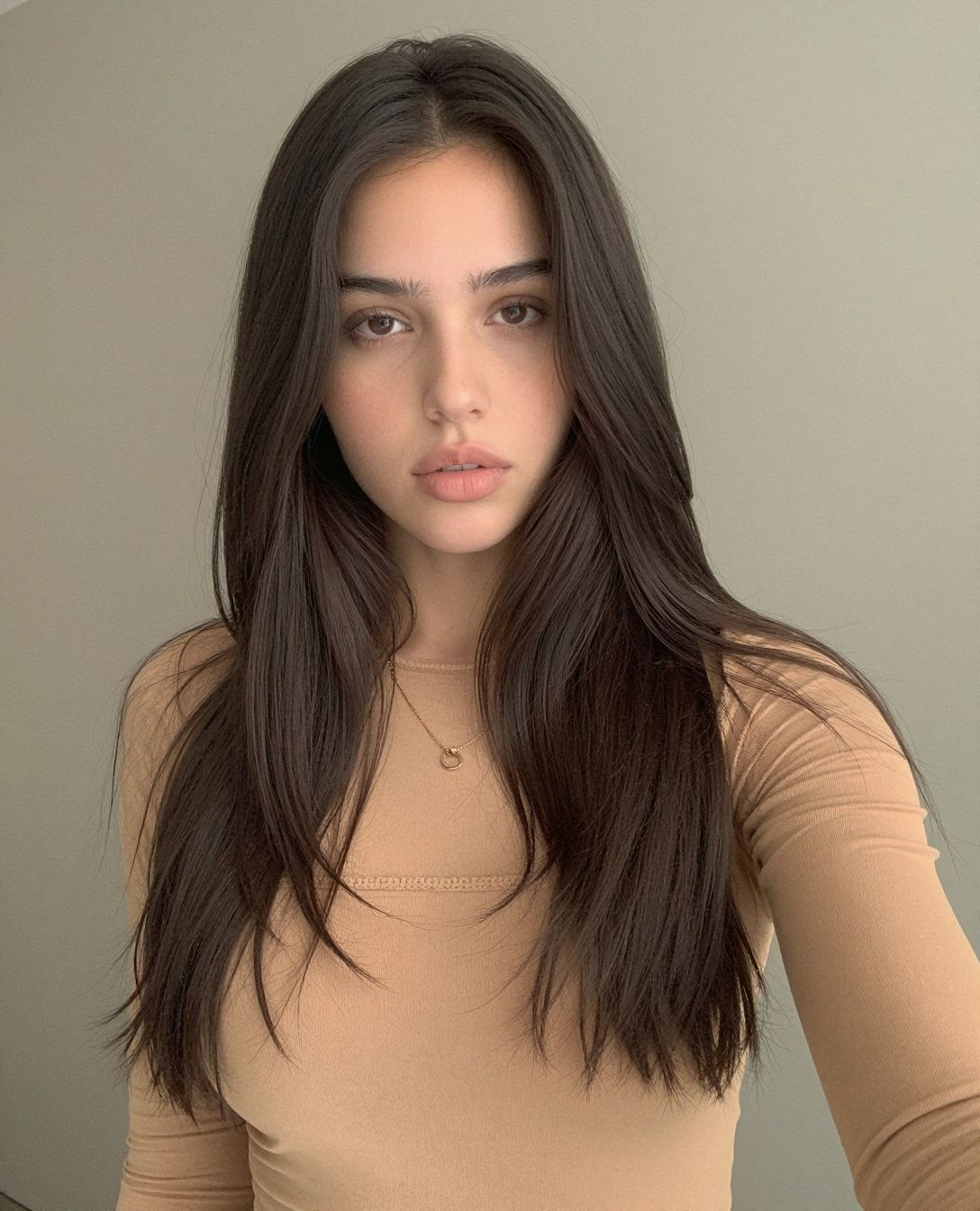
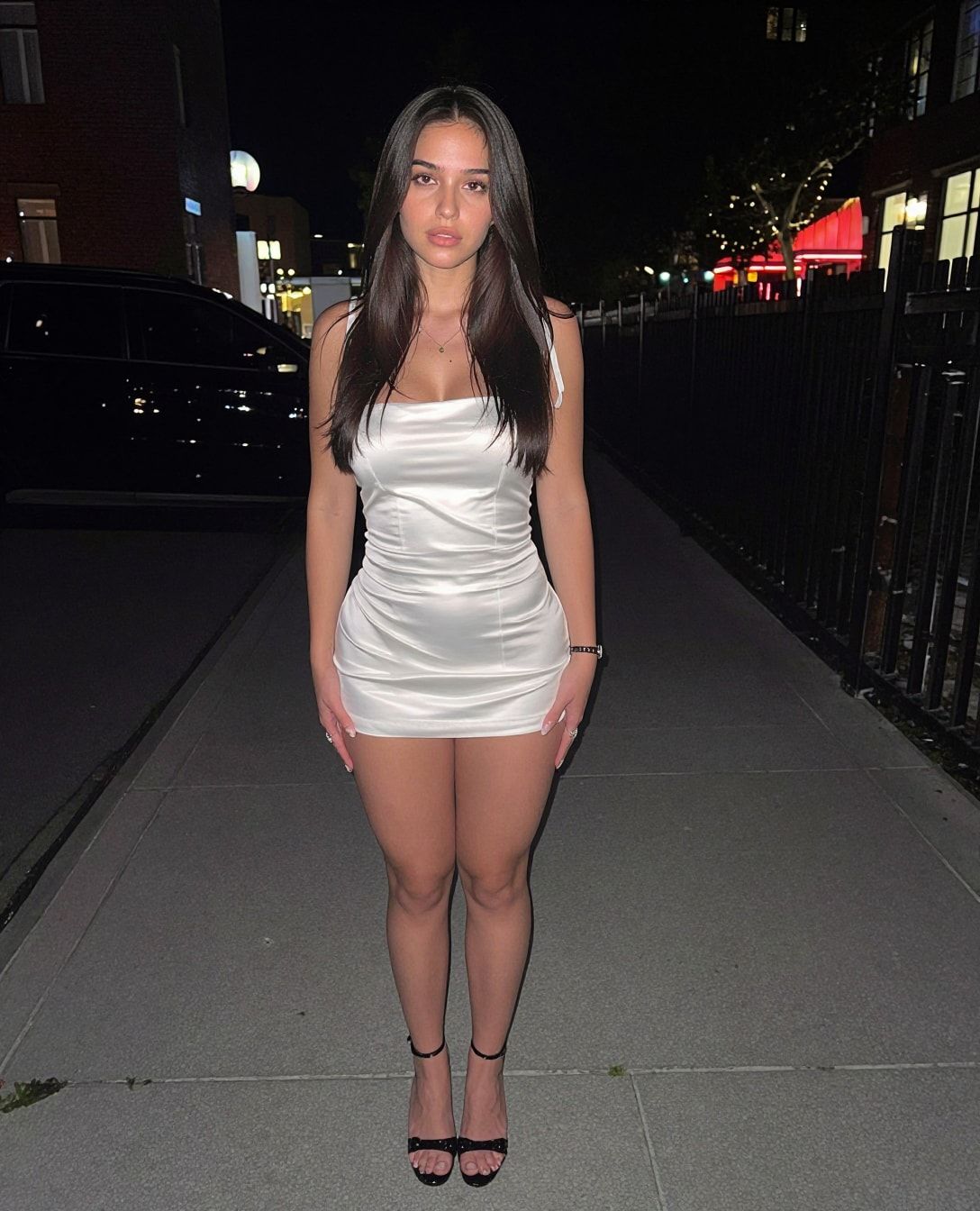
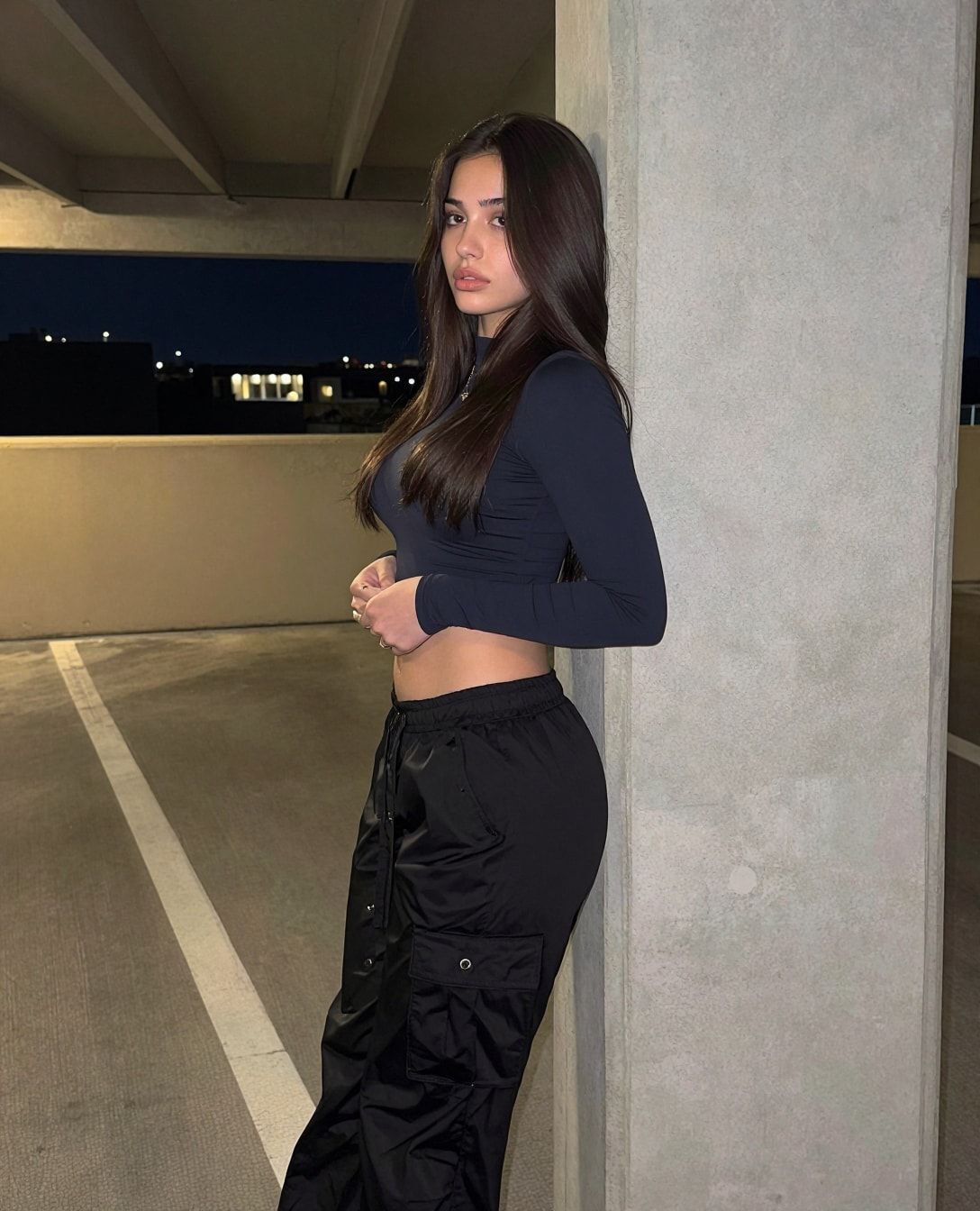
A niche she can show, not one she has to prove. An AI character can’t give real expert advice, film long talking videos easily or show real results. She can post a believable life: the gym, outfits, coffee, a night out. So the test is whether the niche runs on places, outfits and routines you can name in a prompt.
We score every niche on four questions:
- Can she live it in phone photos? Repeatable places and outfits, the kind of shots a friend could take.
- Does it match the course’s topic keywords? The course’s Threads topic list: gym girl, gym selfie, leg day, glute day, workout outfit, pilates girl, morning routine, skincare routine, makeup routine, clean girl, beauty tips, fashion inspo, outfit check, date night outfit, hot girl walk, self care sunday, girls support girls, photo dump, soft life.
- Does it fit the trend formats? The course’s trend-chasing account runs on dance trends, POV, GRWM, day-in-the-life and “rating my outfits”.
- Does it lead somewhere? The two main money paths the course teaches: AI UGC for brands, and Fanvue.
Which niches fit what we teach?
Eight niches pass all four questions. The table shows the topic keywords each one matches, the trend formats that suit it, where it can lead and the rule to watch. None of them is “the best”: pick the one you can post every two days for months without running out of places, outfits and ideas.
| Niche | Threads topics it matches | Trend formats | Money path | Rule to watch |
|---|---|---|---|---|
| Gym and fitness lifestyle | gym girl, gym selfie, leg day, glute day, workout outfit | day-in-the-life, GRWM | UGC for activewear, bottles, gym bags; Fanvue | No results or efficacy claims for supplements |
| Pilates and wellness | pilates girl, morning routine, self care sunday, hot girl walk | day-in-the-life, POV | UGC for mats, sleepwear, home goods; Fanvue | Wellness is not medicine: no health claims |
| Fashion and outfits | outfit check, fashion inspo, date night outfit | “rating my outfits”, GRWM | UGC for clothing brands; Fanvue | AI must not change how a product really looks |
| Soft life and day in the life | soft life, morning routine, photo dump | day-in-the-life, POV | UGC for coffee, candles, home goods | Keep it relatable, not a fake luxury flex |
| Going out and date night | date night outfit, girls support girls | GRWM, “rating my outfits” | Fanvue; UGC for bags and shoes | Start with dresses, not swimwear, on a new account |
| Clean girl and beauty routine | skincare routine, makeup routine, clean girl, beauty tips | GRWM | UGC for beauty brands, carefully | No “this cleared my skin” claims; label the AI |
| Travel weekends | photo dump | day-in-the-life | UGC for luggage and travel gear | Don’t tag real venues or events as if she attended |
| Cozy home | morning routine, self care sunday | POV, GRWM | UGC for home goods, coffee, books | Low risk; easy to over-post, so mix it in |
Ready-made photo dump sets cover soft life, going out and travel, and the free AI influencer prompt generator writes single prompts for any niche in the table. For a known example, Aitana López is an agency’s AI character built around fitness and video games.
Which niches should an AI influencer skip?
Four kinds, for rule reasons or because they don’t fit an AI character yet. The biggest one is the AI expert: an AI doctor, dermatologist, nutritionist or financial adviser. She has no real expertise, and platforms are writing rules aimed squarely at that kind of character. The others are lookalikes, anything that reads young, and cosplay before she has followers.
- AI experts. TikTok Shop’s rules on AI content forbid AI “doctor” or “professor” personas endorsing the efficacy of health products, especially dietary supplements and functional foods, and AI must not change a product’s size, colour, material, features or performance (TikTok Shop Academy, AI-generated content rules, dated 2 September 2026, checked 2 Oct 2026). In the US, the FTC’s Endorsement Guides say an endorser “could be or appear to be an individual”, and an endorser who is not an expert may be liable for unsubstantiated claims about how well a product works (16 CFR Part 255, checked 2 Oct 2026). An AI character giving expert advice is the riskiest version of that.
- Lookalikes of real people. Never. The course only builds original characters. Fanvue’s AI policy says AI media “must not be of a real person other than the account owner”, and its community guidelines require the documented consent and ID verification of anyone AI-replicated. We never use a real person at all.
- Anything that reads young. School settings, “teen” themes or childlike styling. Characters are always clearly adult, and Fanvue’s AI policy rules out content that resembles anyone under 18.
- Cosplay at zero followers. Not banned, just a bad start. The course rule is no cosplay at zero followers; begin with everyday photos.
Gaming, tech and finance aren’t on the list either. They’re not against the rules, but they run on voice, screen recordings or expertise, which is not what a photo-first character pipeline makes.
Do platform rules change by niche?
The AI label rules are the same in every niche: on Instagram she carries the AI-generated profile label, and TikTok asks you to label AI content showing realistic-looking people. What changes by niche is the product side, because some niches attract health and beauty brands with strict claim rules.
TikTok’s Community Guidelines ask for a label on AI-generated content that shows realistic-looking people or scenes; unlabelled content may be removed or restricted (TikTok Community Guidelines, effective 24 September 2026, checked 2 Oct 2026). That applies to a gym character and a fashion character alike.
The difference shows up when a niche turns into brand work. A fashion character selling a jacket has to show the real jacket. A wellness character promoting a supplement can’t make health claims, and an AI persona presented as an expert is out on TikTok Shop. The full platform-by-platform rules are in our AI influencer rules guide, and the brand side in is AI UGC legal.
How do you test a niche before you commit?
Spend a week on it before you train anything. Pick the niche, check you can write enough scenes for it, and watch how established creators in it post. The order matters, because her build comes from the training images and can’t be changed by a prompt later. Outfits and places are different: those come from the prompt.
- Pick one niche and one neighbour. Gym plus pilates, outfits plus going out. One niche alone runs dry; five reads as random.
- List 5 places and 5 outfits she’d repeat. If you can’t, the niche is too thin for a photo feed.
- Write 10 prompts in the course format with the free AI influencer prompt generator. If they all look the same, the niche needs more places.
- Build her dataset after you’ve picked. Choose the Dataset Maker’s body_type preset before training: her character LoRA learns her build from those images, and prompts can’t change it later.
- Study the niche. In her account’s first three days, the course has you scroll established creators in her niche and follow who they follow. On TikTok, follow example accounts and go through their following lists.
- Test formats on the trend account. The course’s trend-chasing account is fast and loose: this week’s trends, separate from her main account. Try the niche’s formats there first.
- Check the money path. Could you make a product video for a real or made-up product in this niche? That’s the homework in the course’s UGC phase. If no brand fits, the niche leads only to Fanvue.
What can go wrong?
- She runs out of content in week three. The niche had two places and one outfit type. Add a neighbour niche or a home and coffee routine around it.
- Her dataset doesn’t suit the niche. Prompts can’t change the build her LoRA learned. Choose the dataset preset with the niche in mind, before training.
- She starts giving advice. “My skincare routine cleared my acne” from an AI character is a false testimonial. Show the routine, skip the result.
- A brand video changes the product. An AI clip that makes a bag bigger or a colour brighter breaks TikTok Shop’s rules. Use the brand’s real product images as references.
- The niche is a person, not a topic. “Like [famous creator] but AI” ends up as a lookalike. Build her from scratch.
- Everything is suggestive from day one. The course starts new accounts with dresses, not swimwear. That applies in the gym and going-out niches too.
Questions people ask
What is the best niche for an AI influencer?
Can an AI influencer be a fitness coach or skincare expert?
Should my AI influencer have more than one niche?
Which niche makes the most money?
Read next
- How to create an AI influencer in 2026, step by step
One original face, a 50-image dataset, a character LoRA you own, the AI label on, then growth and Fanvue. Real steps, settings and GPU costs.
- Can you make money with an AI influencer? An honest breakdown
What actually pays for an original, disclosed AI character: Fanvue, AI UGC for brands, brand posts. Real costs, a worked example, no fake numbers.
- How to grow an AI influencer on Threads
Start after a week on Instagram, let Threads suggest her posts on Facebook, post two photos and a short caption, reply to popular posts. No automation.
- Is AI UGC legal? What the FTC, TikTok and the EU actually say
The FTC doesn't ban AI avatars in ads, but fake testimonials are illegal. TikTok Shop's AI rules, ad disclosure and the EU AI Act. Checked 2 Oct 2026.