Can you copyright AI art? What an AI creator can and can't own
In the US, you generally can’t copyright an image that AI generated from your prompt: the Copyright Office’s report of 29 January 2025 says prompts alone don’t make you the author, and the courts require a human author. You can protect the human parts: your own creative edits, a creative selection and arrangement of images, and text you write. This page goes deeper on one question from our AI influencer rules.
On this page
- Can you copyright AI art in the US?
- Do detailed prompts make you the author?
- What did the courts decide in Thaler v. Perlmutter?
- What can an AI influencer creator actually own?
- If you can’t own the images, what protects your character?
- How do you register a work that contains AI material?
- What can go wrong?
Can you copyright AI art in the US?
Only the parts a human created. The US Copyright Office’s Part 2 report on copyrightability (29 January 2025) says AI outputs are protected “only where a human author has determined sufficient expressive elements”. An image the model composed from your prompt generally doesn’t meet that. Your edits, your arrangement of images and your own text can.
The report also says existing law is flexible enough, and that the case hasn’t been made for new laws to protect AI outputs. So these are the rules for now, applied case by case. All three official sources behind this page are on the Copyright Office’s AI hub, checked 2 October 2026:
- Part 2 report (29 January 2025): copyrightability of AI outputs.
- Registration guidance (16 March 2023): what to disclose if you register a work that contains AI material.
- Part 1 report (31 July 2024): digital replicas of real people, covered in AI likeness laws.
Do detailed prompts make you the author?
No. The report concludes that “prompts alone do not provide sufficient human control to make users of an AI system the authors of the output”. A prompt works as an instruction that conveys ideas, and ideas aren’t protected. Even a very detailed prompt doesn’t control how the model turns it into pixels.
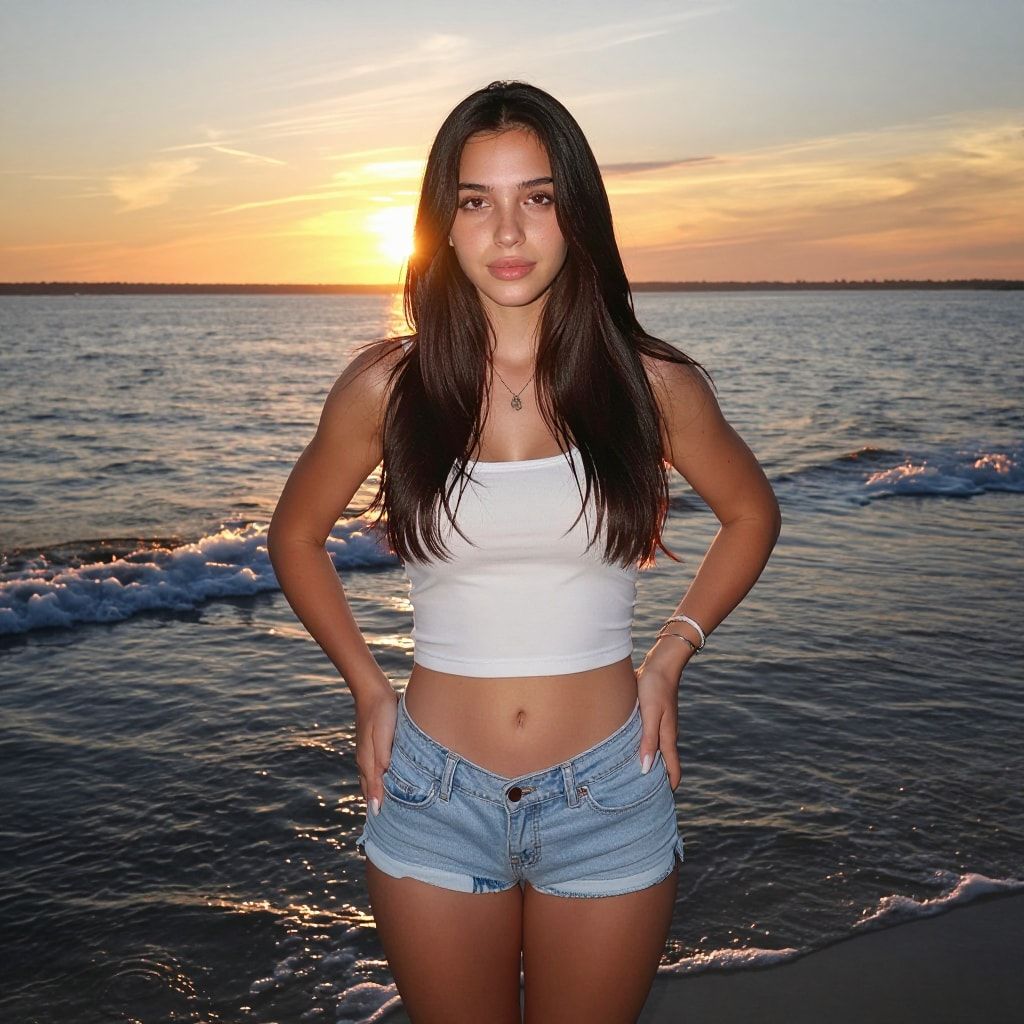
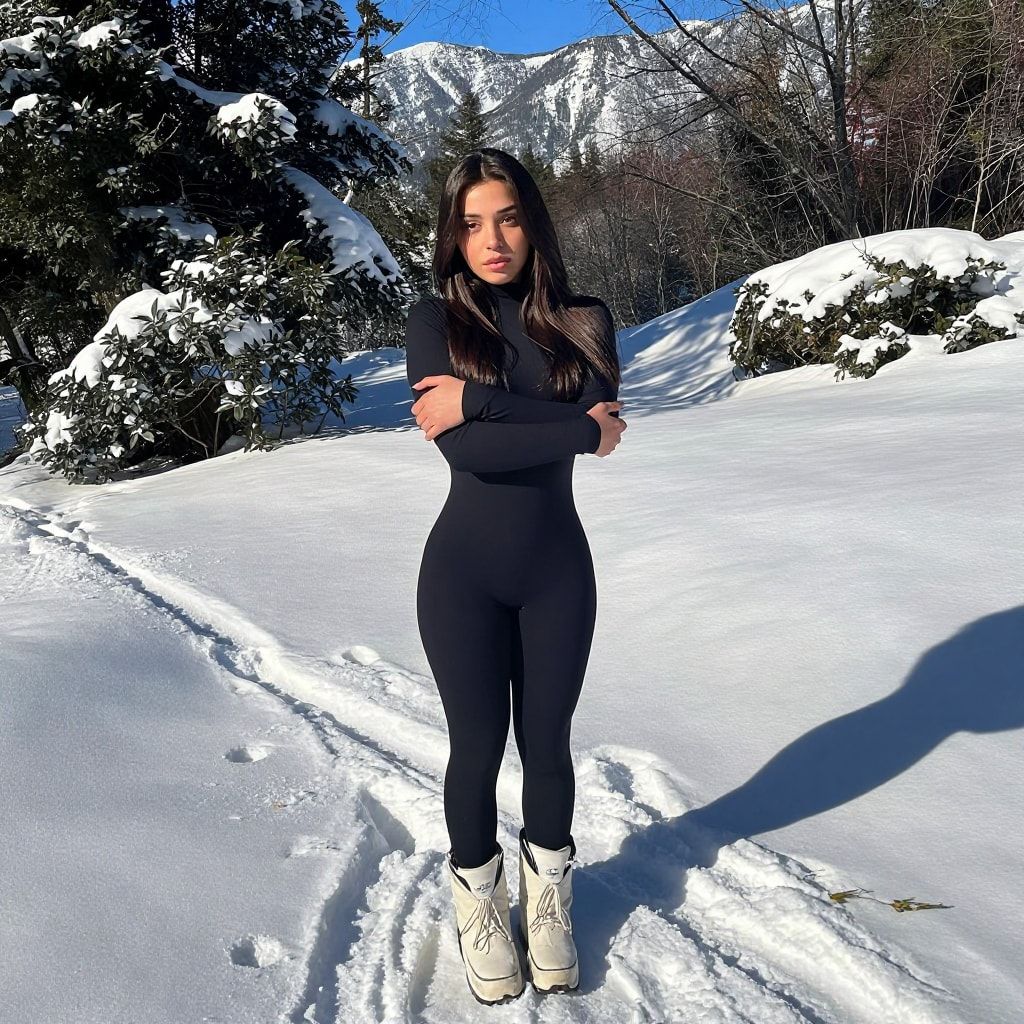
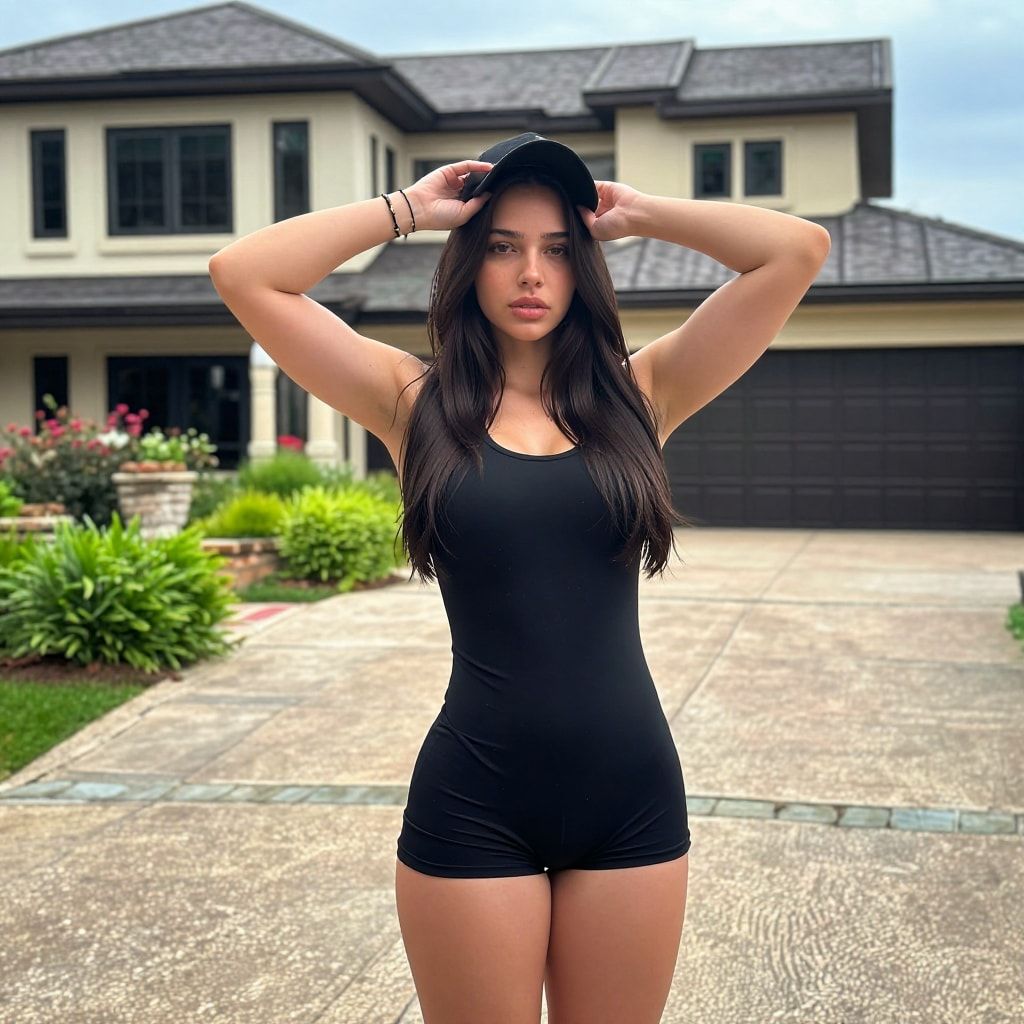
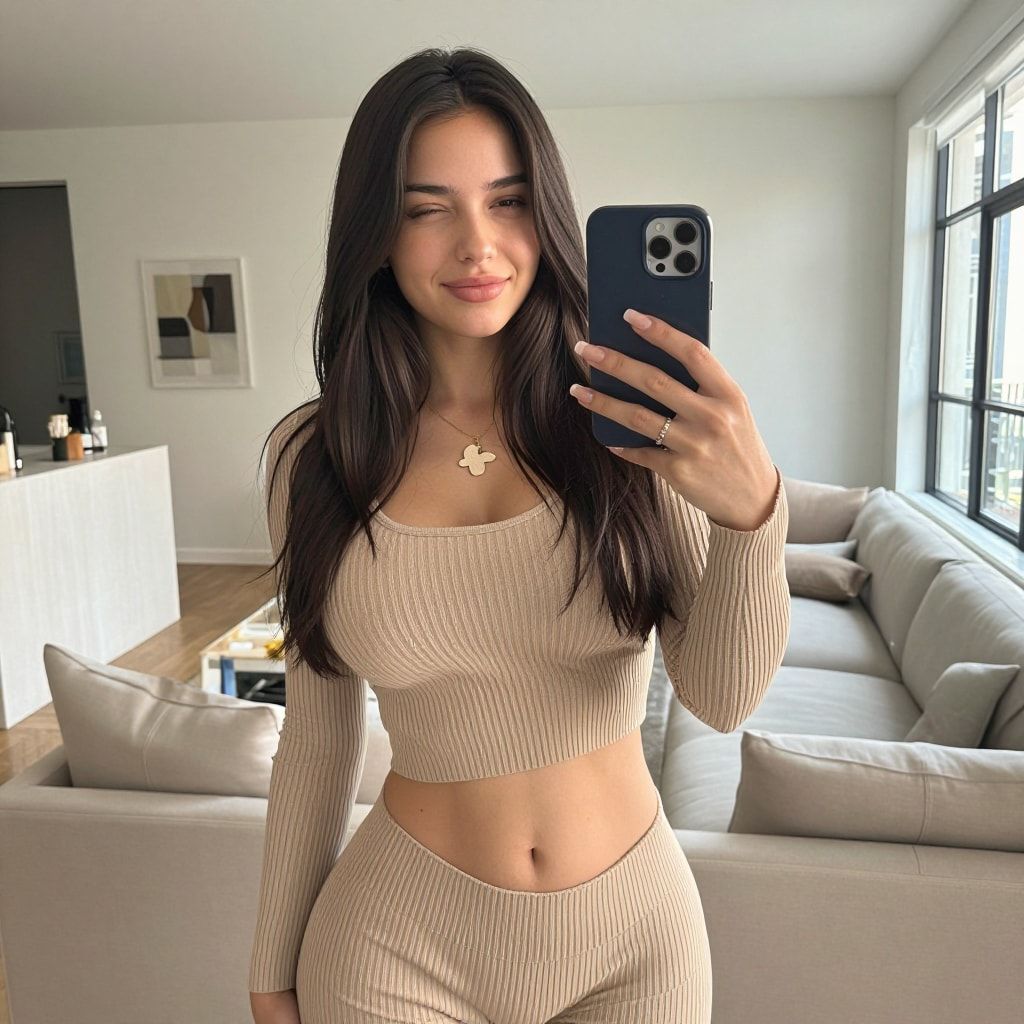
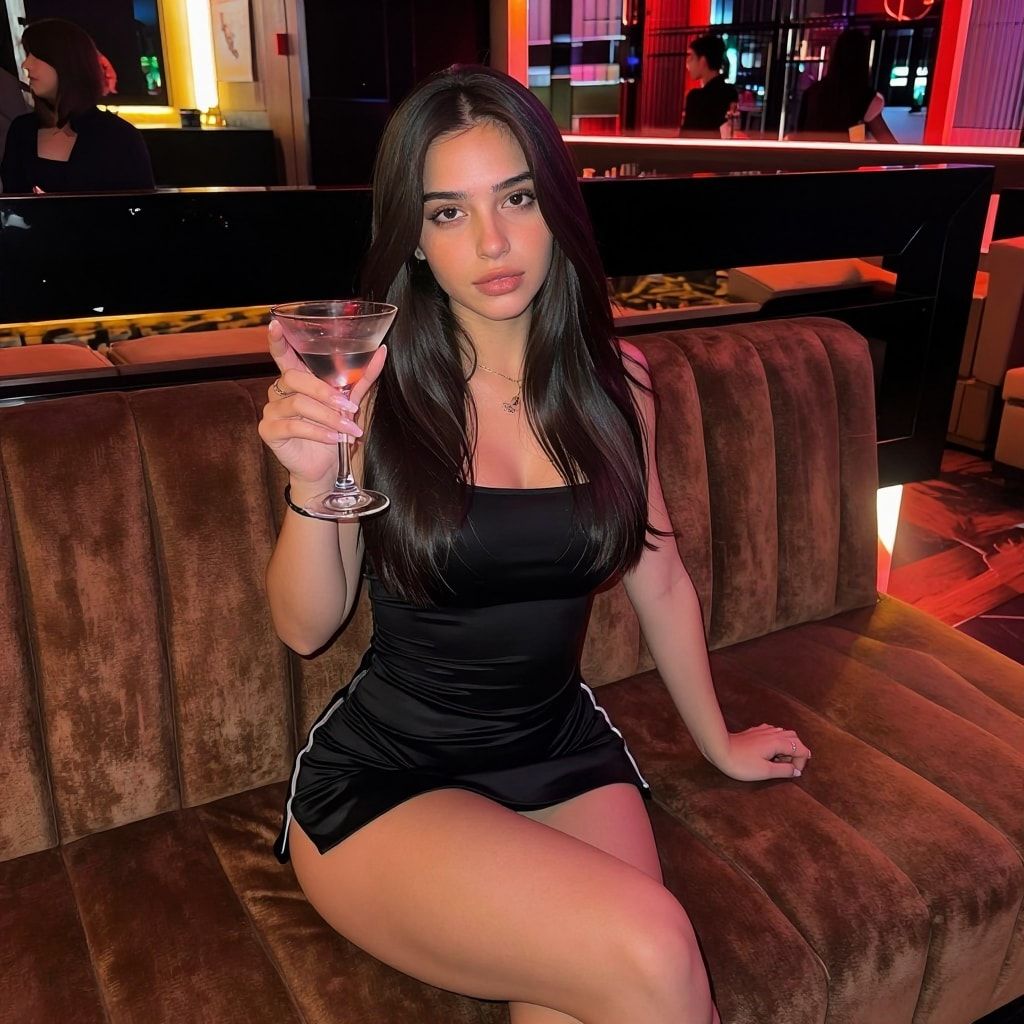
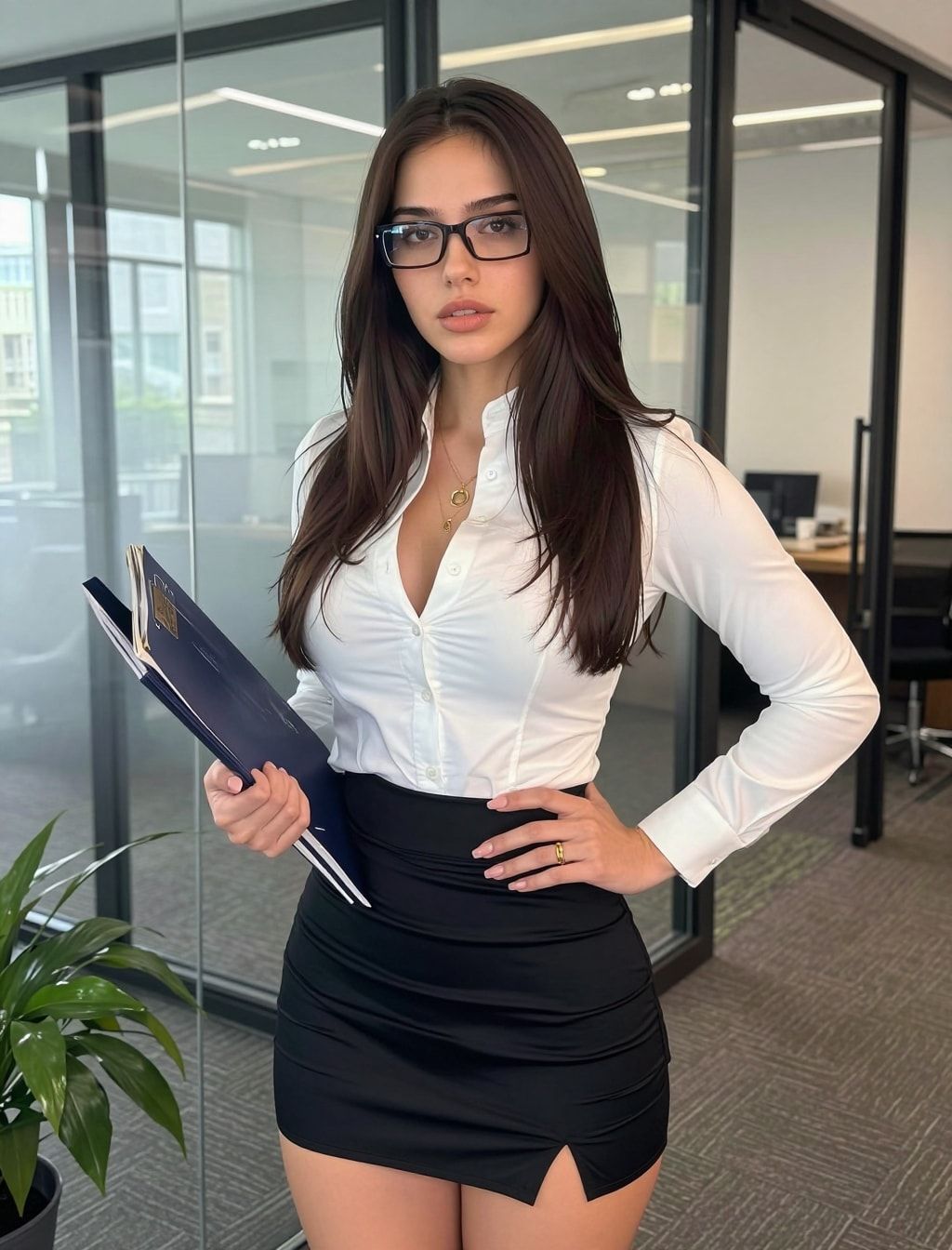
That covers everything prompt-driven in an AI influencer pipeline. A 50-word prompt in the course’s format, with her trigger word, hair-and-eyes line, outfit, place and light, gives you a great image. It doesn’t give you authorship of it. The same goes for the 50-image training set you generate from one face: every image in it is AI output.
The report does name two ways human input survives into the result:
- Expressive inputs. If you feed in your own copyrightable work, like a drawing or a photo you took, and it’s perceptible in the output, you’re the author of at least that portion.
- Modifications. Tools that let you select and change specific regions of an image can give enough control. Whether your changes are original enough is decided case by case.
What did the courts decide in Thaler v. Perlmutter?
The courts confirmed that a human has to be the author. Stephen Thaler tried to register an image his AI system made on its own. The D.C. Circuit refused on 18 March 2025, and the Supreme Court denied his petition on 2 March 2026. The human authorship rule stands, but it doesn’t ban work made with AI.
The D.C. Circuit’s opinion says the rule “does not prohibit copyrighting work that was made by or with the assistance of artificial intelligence”. It only requires that the author be a human. The Supreme Court docket, No. 25-449, records the denial on 2 March 2026.
The Copyright Office’s Zarya of the Dawn decision (21 February 2023) shows the split in practice. The author’s text, and the “selection, coordination, and arrangement” of text and images in her comic, were protected. The Midjourney images themselves were not.
What can an AI influencer creator actually own?
Less in the images than most people assume, more in the work around them. Under the US rules above, the raw images of your character are very unlikely to be protected. Your own writing, your hands-on edits and a creative way of selecting and arranging images can be. Here’s how that maps to the things you actually make:
| What you make | Protected by US copyright? | Why |
|---|---|---|
| A photo generated from a prompt | Very unlikely | Prompts alone aren’t authorship (Part 2) |
| Her 50-image training dataset | Very unlikely | Every image is AI output |
| A carousel you picked and ordered | Possibly, as selection and arrangement | Protected if creative enough, case by case (Zarya) |
| An image you edited by hand | Your changes, if original enough | Only the human-made parts (Part 2) |
| An image built on your own drawing or photo | The perceptible part you made | “Expressive inputs” (Part 2) |
| Captions, bio and scripts you write | Yes, like any writing | Human authorship |
| Her character LoRA file | No official answer we can point to | Treat it as a file you control, not a right you can enforce |
The licence question is separate. Whether you may use an image commercially depends on the model’s licence or the service’s terms, covered in can I use AI images commercially.
If you can’t own the images, what protects your character?
Control, not copyright. Anyone can screenshot a post, but nobody can make new images of her without her character LoRA, the small file trained on her dataset. Keep that file private, keep your accounts in your own name, and her face stays yours in practice even where the law gives you little.
What that looks like with the course’s tools:
- Keep the LoRA off public sites. Store it on your own drive or your pod’s volume. Don’t post it to a public model page.
- Mind share links. The Telegram bot loads the LoRA from a link set to “Anyone with the link”. That means anyone holding the link can download her. Keep that link only in the bot’s settings.
- Keep every source file. Her original face, the dataset and the checkpoints are your proof of where she came from.
- Write your own captions and bio. That text is yours under ordinary copyright, unlike the images.
- Disclose she’s AI. It costs nothing here and keeps the accounts that hold her audience safe.
The method behind the LoRA is in how to keep your AI character’s face the same.
How do you register a work that contains AI material?
If you register at all, you must disclose the AI content. The Copyright Office’s 2023 guidance says applicants have a duty to disclose AI-generated content and briefly explain what the human author contributed. AI content that’s more than minimal gets excluded from the claim. We’re not telling you to register; this is what the form asks.
From the registration guidance (Federal Register, 16 March 2023):
- Use the Standard Application. Other forms don’t have the fields to exclude AI material.
- In Limitation of the Claim, under Material Excluded, use the Other field to describe the AI content, for example “[description] generated by artificial intelligence”.
- In the Author Created field, briefly describe what you, the human, created: the text, the edits, the selection and arrangement.
- Already registered something without disclosing AI? The guidance says to correct the record with a supplementary registration.
What can go wrong?
- You register an AI image as entirely yours. The guidance says applicants who don’t disclose AI material “risk losing the benefits of the registration”, and the Office may take steps to cancel it.
- You assume a long prompt makes you the author. The Copyright Office says it doesn’t, at least with today’s tools.
- You confuse licence and copyright. A model licence that allows commercial use doesn’t make the output copyrightable, and copyright wouldn’t override a licence’s limits.
- Her LoRA leaks through a public link. Then anyone can make her. Keep share links private and never upload the file to a public page.
- You apply US rules abroad. This page is US-only. Other countries treat computer-generated works differently.
- You treat this as legal advice. It’s a practical summary. For a real dispute, talk to a lawyer.
Questions people ask
Can I copyright AI-generated images if I wrote a detailed prompt?
Can I copyright AI art if I modify it?
Who owns AI-generated images?
Can someone copy my AI influencer's photos?
Does this apply in the UK or the EU?
Read next
- Are AI influencers legal? The 2026 rules, platform by platform
Instagram, Meta, TikTok, Fanvue, OnlyFans, the FTC, the EU AI Act and the TAKE IT DOWN Act: what each requires from an AI influencer. Checked 2 Oct 2026.
- Can you use AI images commercially? Check the licence in 5 steps
Whether you can sell AI images depends on the licence of every model in your workflow. Where licences live, what to look for, and a 5-step check.
- How to keep your AI character's face the same in every photo
Prompts, reference images, a character LoRA, or a LoRA trained on a dataset you generate. What each holds, what it costs, and when you need a LoRA.